Source Automatic Cloth Washing Filter Press for Mining, Chemical, and Water Treatment
Find and compare 30 Automatic Cloth Washing Filter Press options from verified Chinese manufacturers. Evaluate key specifications such as FRPP filter material, hydraulic closing systems, and membrane squeezing capabilities to select the right solid-liquid filtration solution for your industrial needs.
Key considerations
Products List


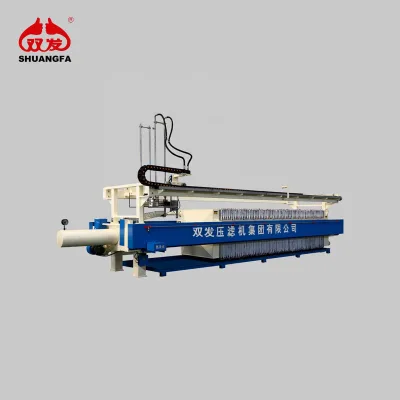
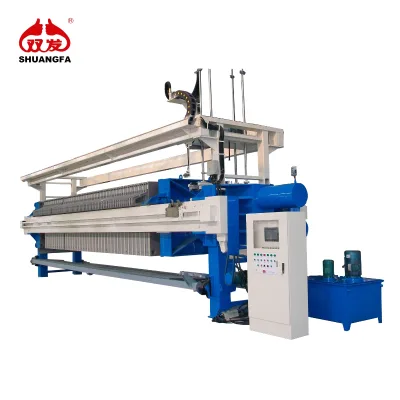

High Capacity Filter Press Manufacturer Automatic Cloth Washing Filter Press
$500.00 - $10000.00
MOQ: 1 Pieces

Automatic Filter Press with Washing and Shaking System Filtration Equipment
$5000.00 - $100000.00
MOQ: 1 Pieces


Automatic Online Washing Cloth Membrane Filter Press/Chamber Filter Press
$3000.00 - $30000.00
MOQ: 1 Pieces

High Pressure Chamber Filter Press with Automatic Cloth Washing System
$3000.00 - $30000.00
MOQ: 1 Pieces

Filter Press with Automatic Cloth Washing System for Sewage Treatment etc.
$3000.00 - $30000.00
MOQ: 1 Pieces

Automatic Chamber Filter Press with Automatic Cloth Washing System for Sewage Treatment.
$3000.00 - $30000.00
MOQ: 1 Pieces

Filter Press for Municipal Wastewater Treatment with Automatic Cloth Washing System.
$3000.00 - $30000.00
MOQ: 1 Pieces


Automatic Filter Press with Filter Cloth Washing and Shaking System
$1200.00 - $40000.00
MOQ: 1 Pieces

Hydraulic Integrated Filter Press with Automatic Cloth Washing System
$1200.00 - $40000.00
MOQ: 1 Pieces

Automatic Cloth Washing Membrane Filter Press Machine Filtration System
$1200.00 - $40000.00
MOQ: 1 Pieces

Hot Sale Membrane Filter Press, Automatic Filter Press with Cloth Washing System
$1200.00 - $40000.00
MOQ: 1 Pieces


Advanced Automatic Cloth Washing Filter Press with PLC Control
$1000.00 - $30000.00
MOQ: 1 Pieces
Zhonghao Filtration Equipment Manufacturing (Henan) Co., Ltd

Fully Automatic Cloth Washing Filter Press with Fast Cycle Time
$1000.00 - $30000.00
MOQ: 1 Pieces
Zhonghao Filtration Equipment Manufacturing (Henan) Co., Ltd

Innovative Filter Press with Automatic Cloth Washing Technology
$4300.00 - $8600.00
MOQ: 1 Pieces
Zhonghao Filtration Equipment Manufacturing (Henan) Co., Ltd


Comprehensive Sourcing Guide
Automatic Cloth Washing Filter Press Sourcing Guide
Procuring an Automatic Cloth Washing Filter Press requires a strategic approach that balances high-capacity solid-liquid separation needs with the operational efficiency of automated maintenance. These systems are engineered for continuous industrial use, where the integration of automatic filter cloth washing significantly reduces downtime and labor costs associated with manual cleaning. Buyers must evaluate the machine’s ability to handle varying slurry viscosities and solid concentrations while maintaining consistent filtrate clarity. The decision to invest in such equipment hinges on understanding the specific filtration area, capacity constraints, and the mechanical robustness of the automatic closing and squeezing mechanisms.
The sourcing process is further complicated by the wide range of available configurations, from chamber plates to membrane plates, each offering different compression forces and cake dryness levels. Buyers need to assess whether the automatic features, such as hydraulic closing and automatic pump control, align with their facility’s power infrastructure and operational workflows. Given that these machines are often customized for specific industries, verifying the compatibility of the filter material, plate size, and membrane squeezing force with the intended application is critical to ensuring long-term performance and return on investment.
Product Scope and Observed Listing Signals
The market for automatic cloth washing filter presses presents a diverse array of models, with observed listing prices ranging from $500 to $100,000 USD. This wide variance reflects differences in filtration area, which can span from 1 square meter to 1500 square meters, and capacity, ranging from 250 liters to 15 cubic meters. Buyers should note that the minimum order quantity (MOQ) is typically set at one unit, allowing for flexible procurement strategies for both pilot projects and large-scale industrial deployments. The presence of customization options indicates that manufacturers are willing to tailor specifications to meet unique operational requirements, such as specific voltage frequencies or customized packing standards.
Observed product attributes highlight a strong emphasis on automation and durability. Many listings feature fully automatic designs with automatic hydraulic closing methods and automatic filter press operation controls. The filter plates are often constructed from high-strength polypropylene (PP) with TPE membrane plates, designed to withstand high pressures up to 2.0 MPa. Additionally, the inclusion of automatic filter cloth washing systems suggests a focus on reducing maintenance intervals. Buyers should carefully review the listed dimensions and weights, as some models can weigh over 20,000 kg and require significant floor space, impacting installation logistics and facility planning.
Technical Specifications to Verify
When evaluating technical specifications, buyers must prioritize the filter plate type and configuration. Options include chamber, membrane, or mixed pack filter plates, each affecting the filtration efficiency and cake discharge method. The membrane plate squeezing force can be applied via air or liquid, with compressed air or high-pressure water being common methods for enhancing cake dryness. It is essential to verify the filtering pressure range, which typically spans from 0.6 MPa to 2.0 MPa, to ensure the machine can handle the specific hydraulic pressure requirements of the slurry being processed.
The automatic features of the filter press are critical for operational efficiency. Buyers should confirm the presence of an automatic hydraulic closing system and an automatic pump control system to ensure seamless operation. The voltage frequency, often listed as 380V/50Hz, may need to be customized to match local power standards. Additionally, the cake thickness, which can be around 30mm, and the production capacity, such as 45 cubic meters per hour, are key performance indicators. Verifying the filter media, typically high-strength filter cloth, and the cleaning method, which is often automatic washing, ensures that the maintenance burden is minimized.
Compliance and Safety Documentation
Compliance with international standards is a prerequisite for sourcing automatic cloth washing filter presses, particularly for export-oriented industries. Listings often cite CE and UL certifications, indicating adherence to European and American safety and quality standards. Buyers must verify that the manufacturer provides valid certification documents for the specific model being purchased, as these certifications are crucial for regulatory approval in various jurisdictions. The standard of compliance is often determined by the end-user’s location and industry regulations, so it is important to align the machine’s certifications with local legal requirements.
Safety documentation should also include detailed operational manuals and maintenance guidelines, especially for the automatic hydraulic and electrical systems. The high-pressure nature of the filter press, with hydraulic closing pressures that can be quite high, necessitates robust safety protocols. Buyers should ensure that the machine is equipped with appropriate safety interlocks and emergency stop mechanisms. Furthermore, the warranty period, which may exceed five years, should be clearly defined in the contract, covering both mechanical components and automatic control systems to mitigate long-term operational risks.
Cost Drivers and Commercial Terms
The cost of an Automatic Cloth Washing Filter Press is influenced by several factors, including the filtration area, plate size, and the complexity of the automatic control systems. Larger filtration areas and higher capacities generally command higher prices, reflecting the increased material and manufacturing costs. Customization options, such as specific voltage frequencies or customized packing, can also add to the overall cost. Buyers should request detailed quotations that break down the costs of the main components, such as the filter plates, hydraulic system, and automatic washing unit, to understand the value proposition of each feature.
Commercial terms, including payment methods and delivery schedules, are critical components of the procurement process. Given the high value of these machines, buyers should negotiate favorable payment terms, such as partial upfront payments and balance upon delivery or installation. The standard exporting packing is designed to protect the machine during transit, but buyers should verify the packaging details to ensure adequate protection against damage. Additionally, the lead time for manufacturing and delivery should be clearly stated, as delays can impact production schedules. Buyers should also consider the total cost of ownership, including energy consumption and maintenance costs, when evaluating the overall cost-effectiveness of the machine.
Supplier Qualification and Quality Control
Supplier qualification is a vital step in sourcing automatic cloth washing filter presses, as the quality of the machine directly impacts operational efficiency. Buyers should verify the manufacturer’s production capacity and experience in the filter press industry. The place of origin, often Henan, China, is a significant hub for filter press manufacturing, but buyers should assess the specific factory’s quality control processes. Requesting references from previous clients and visiting the manufacturing facility, if possible, can provide valuable insights into the supplier’s capabilities and reliability.
Quality control measures should include rigorous testing of the automatic features, such as the hydraulic closing system and the automatic filter cloth washing mechanism. Buyers should request test reports or certification documents that verify the machine’s performance under specified conditions. The condition of the machine, typically listed as new, should be confirmed, and any signs of wear or damage should be addressed before shipment. Additionally, buyers should ensure that the supplier provides comprehensive training and technical support to facilitate proper operation and maintenance of the automatic filter press.
Long-Term Procurement Checks
Long-term procurement checks involve monitoring the performance and reliability of the Automatic Cloth Washing Filter Press over time. Buyers should establish a maintenance schedule that includes regular inspection of the filter plates, hydraulic system, and automatic control components. The automatic filter cloth washing system should be checked for efficiency and effectiveness, as any reduction in cleaning performance can lead to increased downtime and operational costs. Tracking the machine’s filtration efficiency and cake dryness over time can help identify potential issues early and prevent costly repairs.
Supplier relationship management is also crucial for long-term success. Buyers should maintain open communication with the supplier to address any technical issues or performance concerns promptly. Regular feedback on the machine’s performance can help the supplier improve their products and services. Additionally, buyers should stay informed about advancements in filter press technology and consider upgrading or replacing components as needed to maintain optimal performance. By proactively managing the procurement process and maintaining a strong supplier relationship, buyers can ensure the long-term success of their Automatic Cloth Washing Filter Press operations.
FAQs
What is the filter material used in this press?
The filter material is FRPP, which provides high strength and chemical resistance. This material is used for the filter plates to ensure durability during the squeezing process in various industrial applications.
Can the filter press be customized for specific needs?
Yes, customization is available to meet specific operational requirements. Buyers can request tailored specifications for plate size, capacity, or voltage frequency to align with their unique production environments.
What certifications does the automatic filter press hold?
The product holds CE and UL certifications according to user standards. These certifications ensure the machine meets international safety and quality requirements for industrial filtration equipment used globally.
How is the filter plate closing mechanism operated?
The filter press uses an automatic hydraulic closing method for operation. This system ensures high automatic hydraulic pressure closing, allowing for efficient and consistent plate movement during the filtration cycle.
What is the capacity range for the filter press?
The capacity ranges from 15 liters to 20 cubic meters depending on the model. This wide range allows the machine to handle various volumes of solid-liquid filtration across different industrial sectors.
How is the filter cloth cleaned during operation?
The system features an automatic filter cloth washing mechanism for cleaning. This automatic cleaning method ensures the filter media remains effective and reduces manual maintenance requirements for continuous operation.